Visiting Malian monuments in 3D
There are places in Mali I've wanted to see for as long as I can remember. The Great Mosque of Djenné is at the top of that list. I grew up in Bamako, but because of the security problems Mali has been going through for the last fifteen years, I never made the trip. And I know I'm not the only one.
So I started a small side project: rebuilding some of these places in 3D, so that people like me can walk around them from a phone or a laptop. It's called Monument223 (+223 is Mali's phone code).
My little benchmark
Every time a big new model comes out, I give it the same test: rebuild one of these monuments well enough that I'd want to show it to someone. For a long time, nothing I got back was good enough to share.
GPT-6 Astra is the first one that changed that. I put it to work for about eight hours on my Max x5 plan (thanks OpenAI for the usage resets), and when I came back, I had something I was actually proud of.
Djenné
The latest one is the Great Mosque of Djenné. It's part of the Old Towns of Djenné, which are on UNESCO's World Heritage list, and it's probably the most famous mud brick building in the world. Here's the real one next to mine.
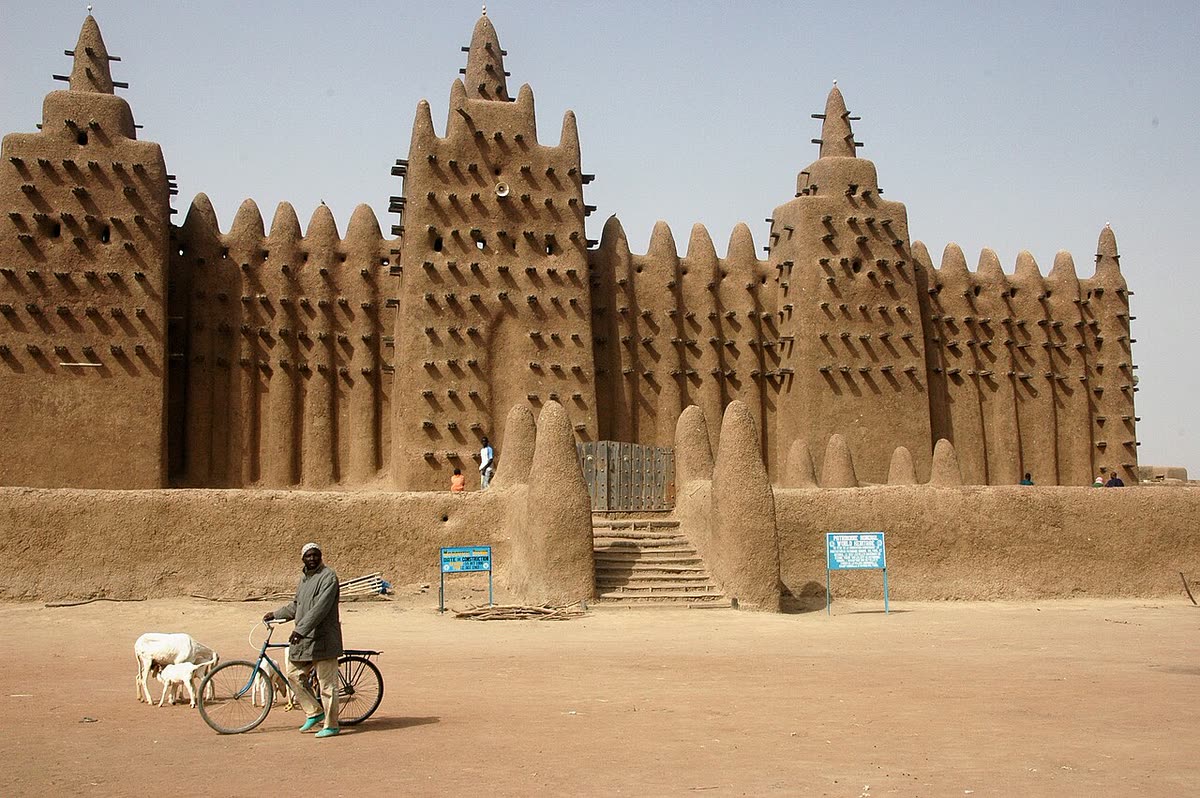

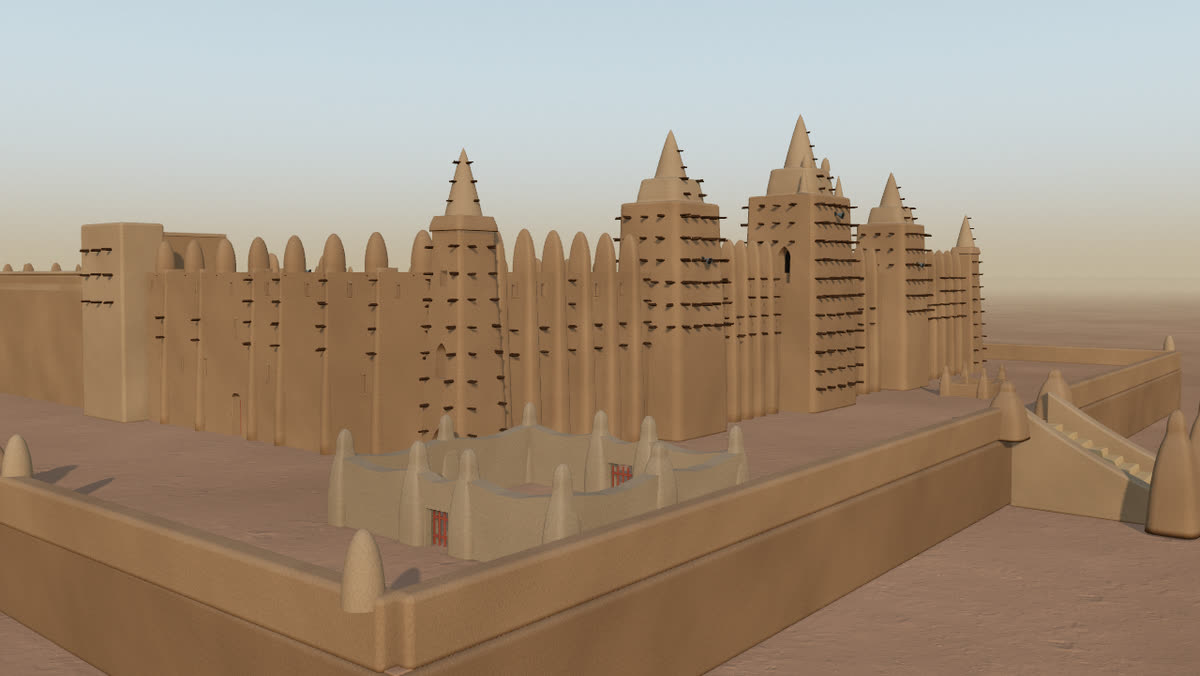

You can look around freely, fly over it, walk into the courtyard, go up on the roofs, or press play and let the guided tour do the work. You can also switch between daylight and a warm, late afternoon light.
It started on September 22
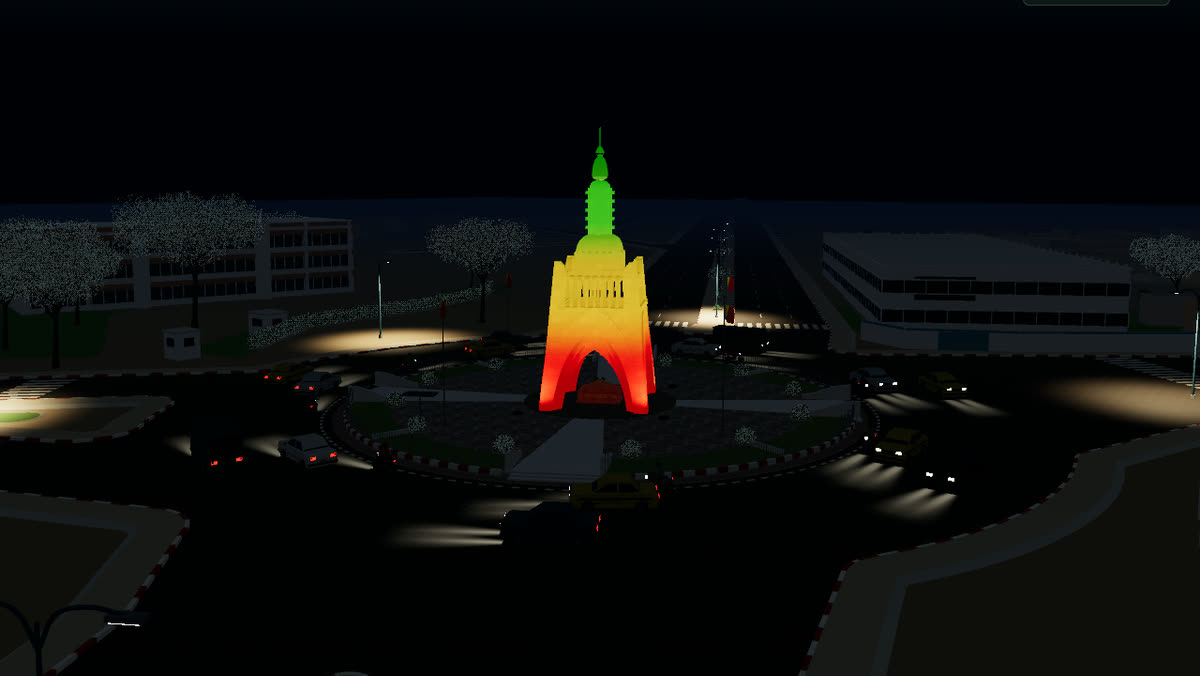
The first monument was the Monument de l'Indépendance in Bamako. I launched the site on September 22, Mali's Independence Day, because I couldn't think of a better date for it.
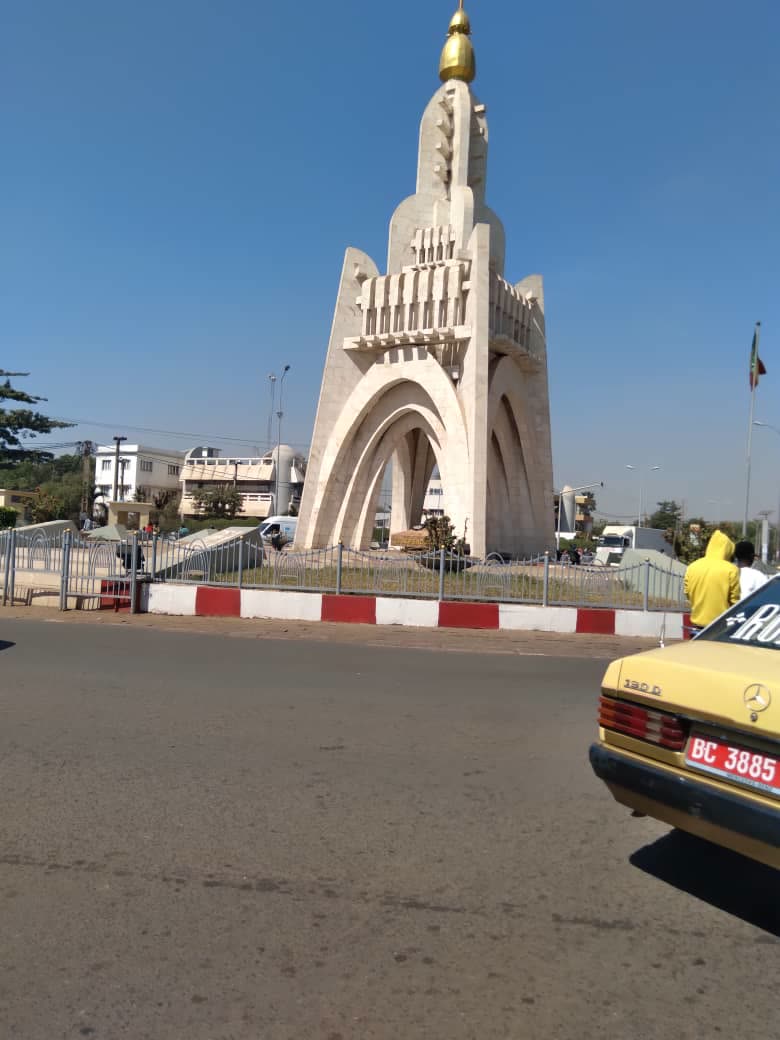

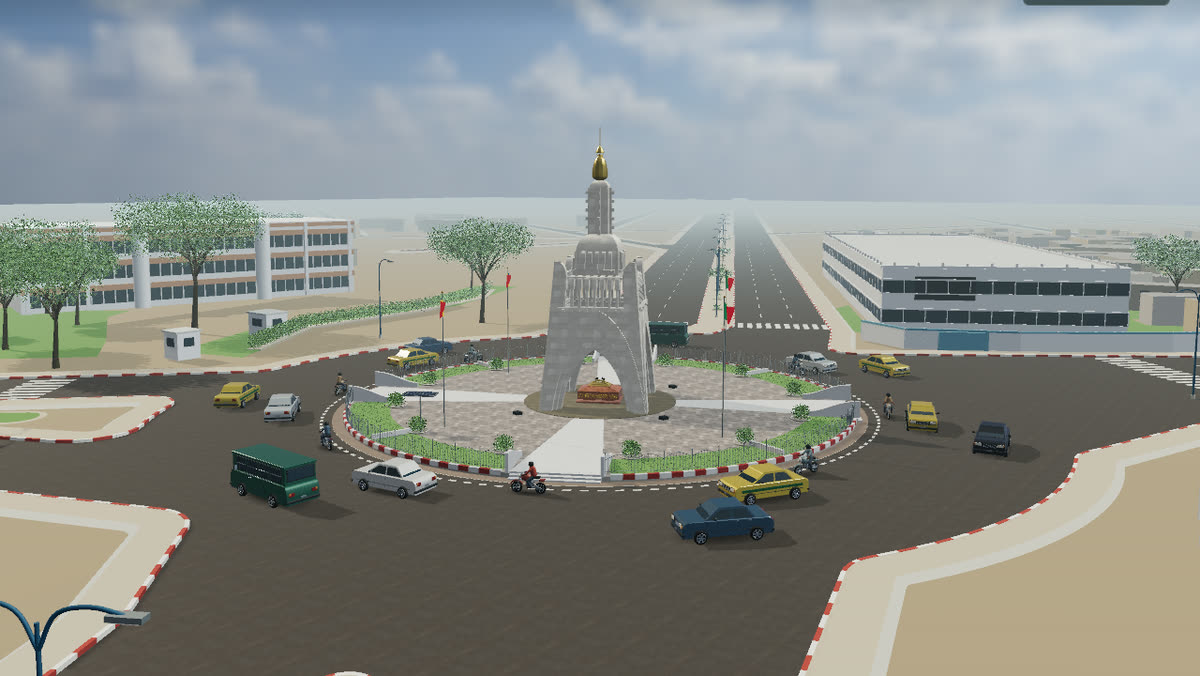
There's even a "22 septembre" lighting mode that puts the monument in the colors of the flag.

People reacted pretty well, so I kept going.
Tour d'Afrique
Next came the Tour d'Afrique, on the Faladié roundabout in Bamako, a tribute to African unity. For this one, I leaned on real data as much as I could: photos, OpenStreetMap for the roads and the building footprints, Google Open Buildings for the building heights, and satellite imagery for the ground. The visit lists every source it uses. It's a reconstruction, not a scan, so I'd rather be upfront about where it's accurate and where it's a best guess.
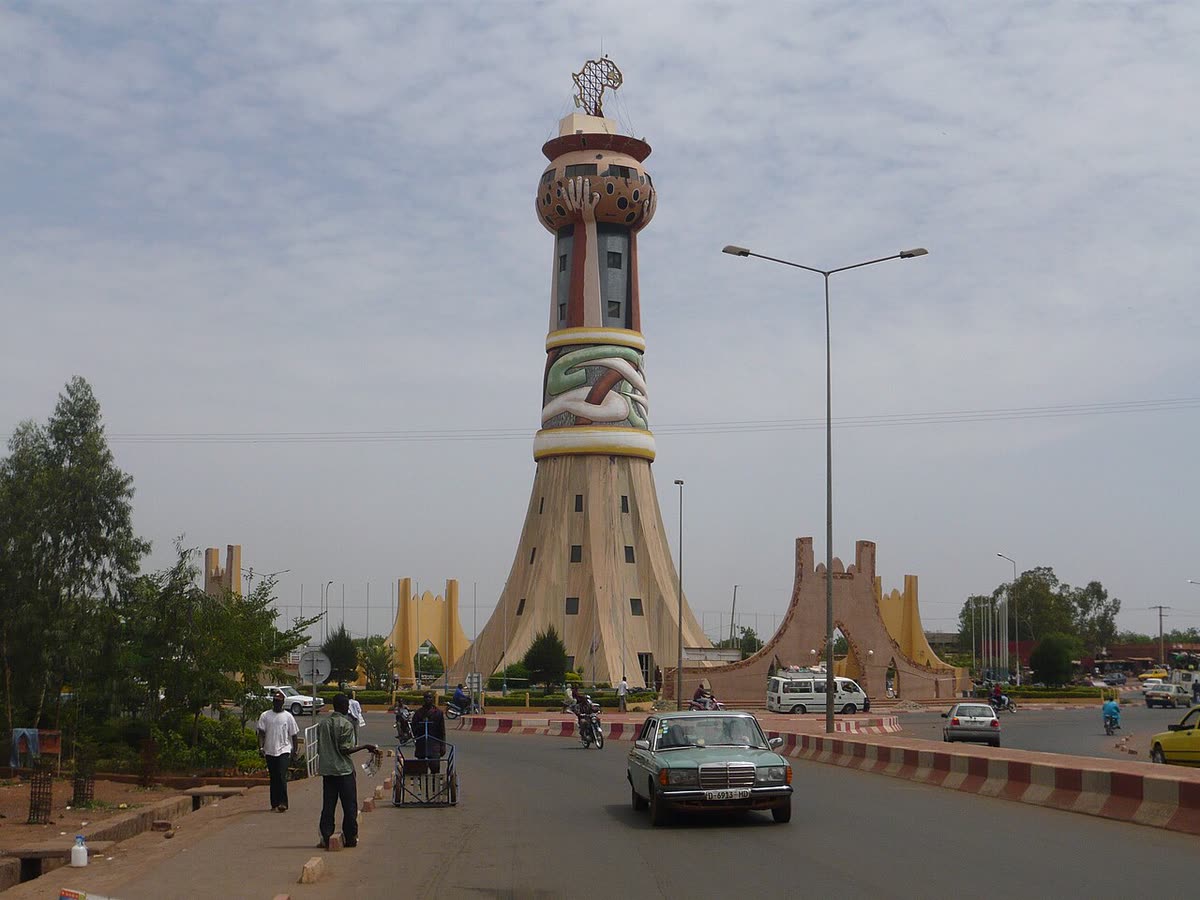

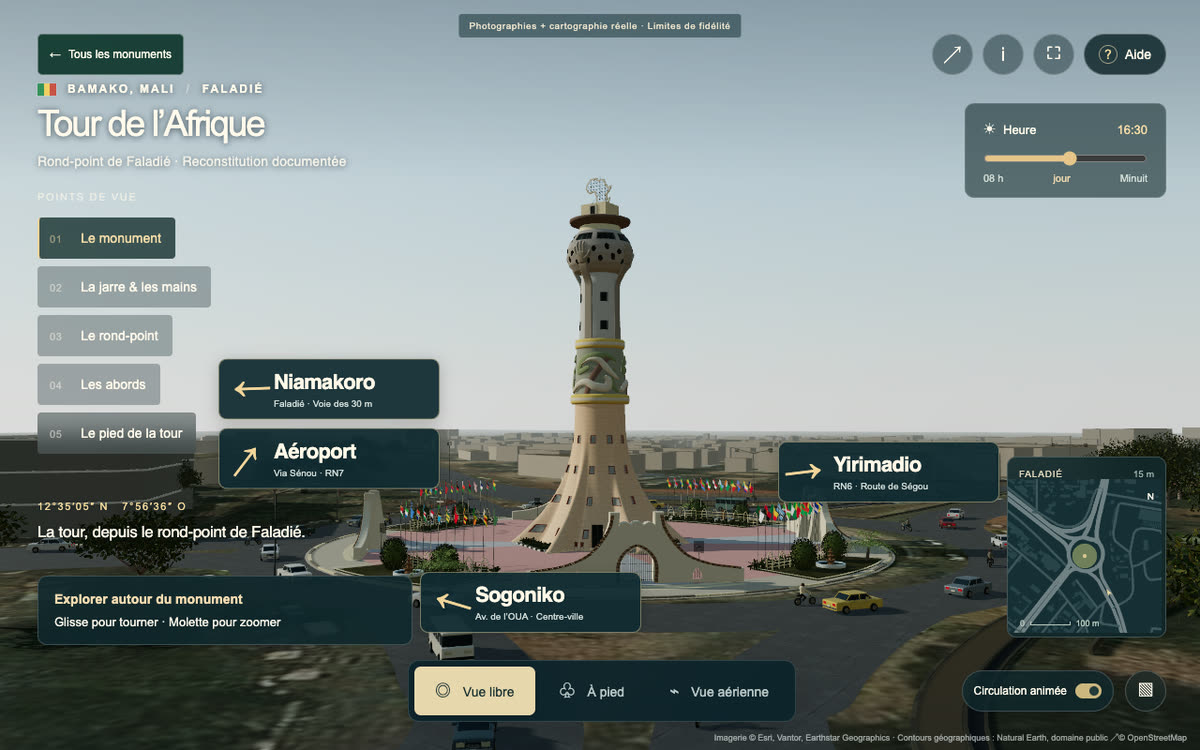
And yes, there's traffic. It's Bamako traffic, minus the honking.

The first week
Here's what the first week looked like.
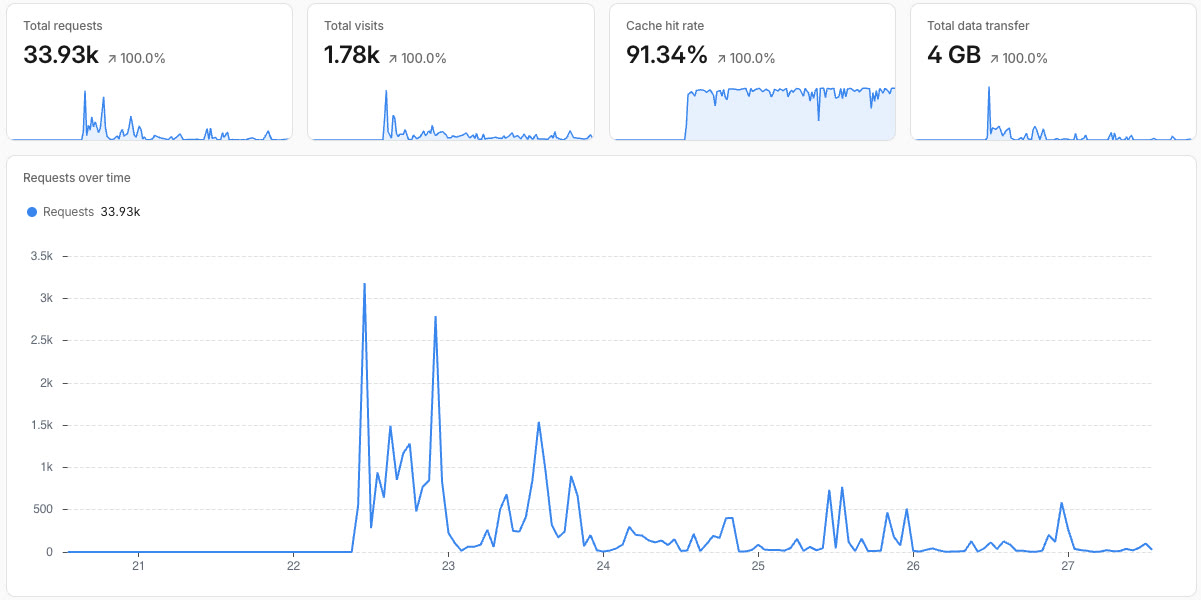
- 1.78k visits and 33.93k requests.
- 4 GB sent, and about 91% of the requests were served straight from the cache.
- Almost half of the requests came from Mali, then the United States, France and Sweden.
- A bit more traffic from phones than from computers.
The spike on the 22nd was expected. Sweden was not, so hello Sweden. And since more people came from a phone than from a computer, the mobile version can't be an afterthought.
What's next
I'll keep adding places, and I'll keep giving the same monuments to every new model to see how they compare. These are reconstructions, so some details are simplified and some are a best guess. If you know one of these places well and something looks off, I want to hear it.
And if there's a place in Mali you'd love to visit this way, tell me. The chat on this site can send me a message.
One day, I'll go to Djenné for real.